Immersion Course: August 2026
Designing Compensation for the Future
Date: 20th August – 21st August 2026
Mode: Offline
Venue: Seminar Hall-1, Old Academic Block, XIM University (New Campus), 12(A). Nijigada, Harirajpur, Odisha.
Engagement: Immersion Course
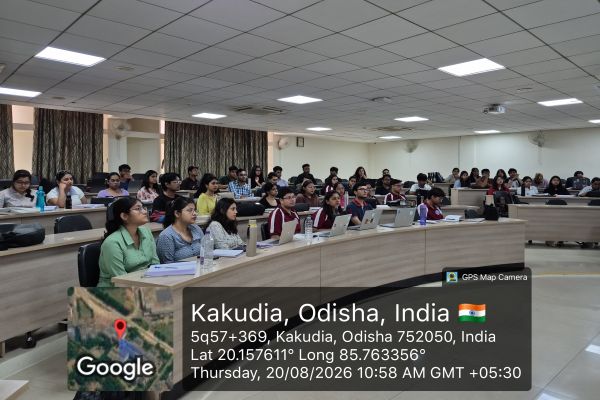
Participants: Students of School of Human Resource Management (Batch of 2025-27)
Resource Persons:
Ms. Sahiba Vadhera, Director – Rewards(APAC), JLL
Faculty Coordinators:
Dr. Mousumi Padhi, Dean, School of Human Resource Management
Dr. Subhra Pattnaik, School of Human Resource Management
Student PoC: Mr. Ayush Kumar Singh (Coordinator, XIMAHR)
OBJECTIVE
- Understand Strategic Compensation Design: Develop an understanding of how organisations structure pay mixes, incentives, bonuses, and rewards to align employee performance with business objectives.
- Apply Data-Driven Reward Practices: Build practical skills in Excel-based compensation planning, incentive simulations, annual pay decisions, and workforce cost analysis.
- Navigate the Future of Rewards: Understand the impact of Labour Codes, AI, market trends, and emerging reward practices on the future of compensation and employee value propositions.
COURSE OVERVIEW
This course offers an industry-oriented exploration of Compensation and Rewards, focusing on how organizations strategically design, manage, and transform their reward systems across key areas such as pay mix, performance-based bonuses, sales incentives, annual compensation planning, labour code implications, and AI-enabled rewards. Through practical frameworks, Excel-based simulations, case exercises, and industry perspectives, participants gain hands-on exposure to data-driven compensation decisions, incentive design, pay equity, and reward strategy.
INTRODUCTION
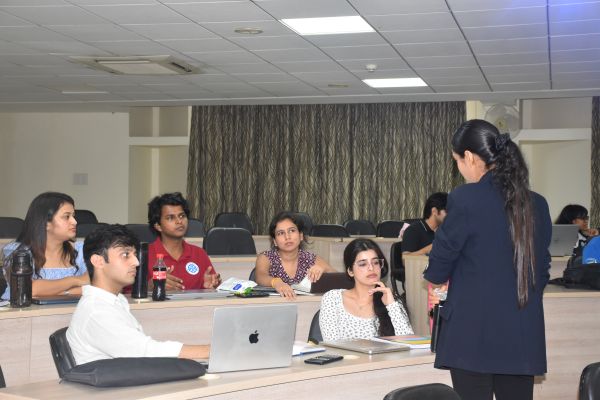
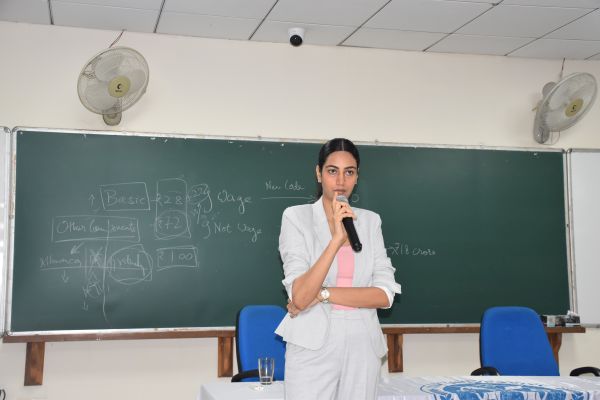
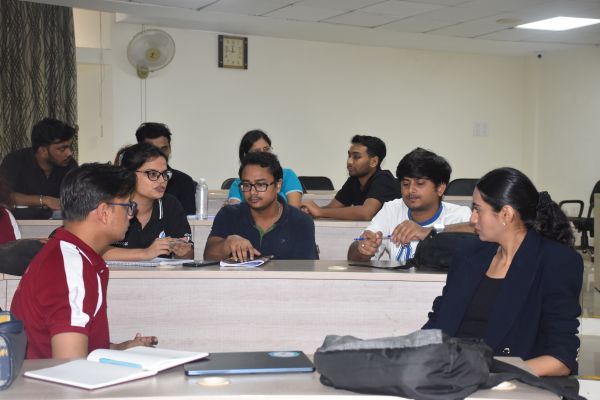
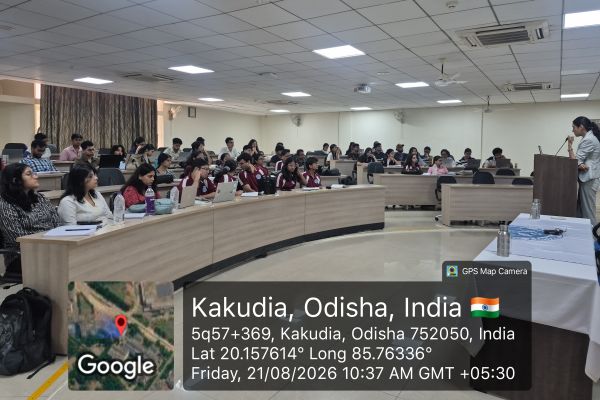
The Immersion Course was commenced by Ms. Riya Tayal, Core Member, XIMAHR, who introduced Ms. Sahiba Vadhera to the students and handed over the session to the speaker. Ms. Sahiba set the tone by engaging participants in a discussion around their understanding of “Compensation and Rewards” and how organisations strategically design reward systems. She then introduced the course outline, covering key aspects such as pay mix design, performance-based bonuses, sales incentives, annual compensation planning, labour codes, and AI in rewards. These themes were explored through hands-on activities, Excel-based simulations, case exercises, and industry perspectives across the six sessions.
KEY TOPICS & MODULES
Session 1: Compensation by Design: Hands-on Activity on Building the Right Pay Mix
- Understanding Compensation Architecture: The session explored compensation as a strategic tool rather than merely a salary component, focusing on how organisations design pay structures aligned with business objectives and employee expectations.
- Components of Total Compensation: Participants were introduced to the different elements of compensation, including fixed pay, variable pay, benefits, incentives, and non-monetary rewards, and how these collectively form an employee’s total rewards package.
- Designing the Right Pay Mix: The session focused on determining the appropriate balance between fixed and variable compensation based on factors such as role, seniority, performance expectations, market conditions, and organisational affordability.
- Internal & External Equity: Emphasis was placed on maintaining internal equity across roles while ensuring external competitiveness with the relevant talent market to attract and retain employees.
- Compensation as a Strategic Lever: The activity demonstrated how thoughtfully designed compensation can influence employee motivation, performance, retention, and alignment with organisational goals.
Session 2: Designing Performance-Based Bonus Payouts
- Linking Pay with Performance: The session explored how organisations design variable pay structures that directly connect individual and organisational performance with employee payouts.
- Bonus Payout Architecture: Participants used Excel-based simulations to understand the calculation of bonus payouts using factors such as target bonus, achievement levels, performance ratings, and payout percentages.
- Performance Curves & Payouts: Different performance scenarios were analysed to understand how organisations can structure payouts for threshold, target, and exceptional performance.
- Balancing Motivation & Cost: The simulation highlighted the need to design bonus plans that are motivating for employees while remaining financially sustainable and aligned with business outcomes.
- Data-Driven Compensation Decisions: Excel-based calculations helped demonstrate how quantitative modelling can support more consistent, transparent, and objective compensation decisions.
Session 3: Designing Sales Incentive Plans
- Understanding Sales Incentives: The session focused on how sales incentive plans differ from conventional compensation structures because they are closely linked to revenue generation, targets, and measurable business outcomes.
- Designing the Right Incentive Mix: Participants explored different components such as base salary, incentives, commissions, targets, and accelerators to create an effective sales compensation structure.
- Target & Quota Setting: The importance of setting realistic yet challenging sales targets was discussed, along with how targets influence employee motivation and overall incentive costs.
- Excel-Based Scenario Planning: Participants worked through simulations to understand how changes in sales achievement, incentive rates, and payout structures impact individual earnings and organisational costs.
- Driving Desired Sales Behaviour: The session highlighted that a good incentive plan should not only reward sales volume but also encourage profitable, sustainable, and strategically desirable sales behaviours.
Session 4: Annual Compensation Planning
- Understanding Annual Compensation Planning: The session focused on how organisations approach annual salary reviews and make compensation decisions while balancing employee expectations, business performance, and available budgets.
- Merit & Increment Decisions: Participants explored how factors such as performance ratings, current salary, market position, criticality of roles, and internal equity influence annual compensation decisions.
- Budget Allocation: The case exercise demonstrated how HR teams distribute a limited compensation budget across employees while ensuring fairness and alignment with organisational priorities.
- Business & HR Conversations: Emphasis was placed on the discussions HR must have with business leaders and managers before finalising compensation decisions, particularly when budgets are constrained.
- Balancing Equity, Performance & Retention: The session highlighted the challenge of designing compensation increases that simultaneously recognise performance, correct pay disparities, and retain critical talent.
Session 5: Impact of New Labour Codes
- Understanding the Changing Compensation Landscape: The session examined how India’s Labour Codes can influence organisational compensation practices and the way employers structure and administer employee pay.
- Impact on Wage Definition: Particular attention was given to how the definition of “wages” can affect the calculation of statutory benefits and other compensation-linked obligations.
- Cost Implications for Organisations: The session explored how changes in wage structures may influence employee benefits, statutory contributions, compensation costs, and overall payroll design.
- Balancing Compliance & Compensation Strategy: Organisations need to ensure that their compensation structures remain legally compliant while continuing to support employee engagement, competitiveness, and cost efficiency.
- HR’s Evolving Role: The session highlighted the importance of HR professionals understanding labour legislation not only from a compliance perspective but also from the standpoint of compensation design and workforce strategy.
Session 6: AI and the Future of Rewards
- AI in Compensation & Rewards: The session explored how Artificial Intelligence is transforming traditional rewards practices through data-driven decision-making, predictive analytics, and personalised employee experiences.
- Personalised Rewards: AI can help organisations analyse employee preferences, performance, career aspirations, and market data to move towards more personalised and flexible reward offerings.
- Pay Benchmarking & Analytics: The use of AI in analysing large volumes of compensation and market data was discussed as a way to support faster and more informed pay decisions.
- From Reactive to Predictive Rewards: AI enables HR teams to identify potential issues such as attrition risk, pay disparities, and changing employee expectations before they become larger organisational challenges.
- The Human Element in AI-Driven Rewards: The session emphasised that while AI can improve the speed, accuracy, and personalisation of rewards decisions, human judgement, fairness, transparency, and ethics will remain essential in compensation management.
CONCLUSION
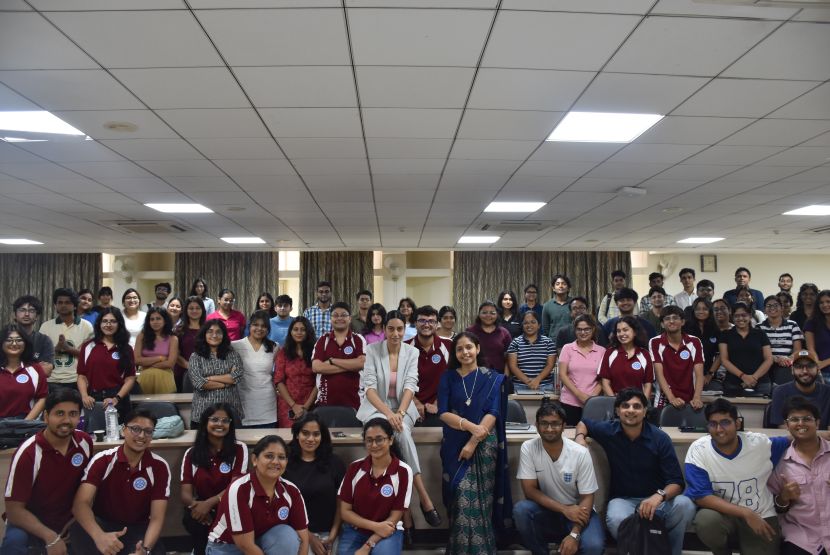
At the end of the Immersion Course, the speaker was felicitated with a token of appreciation by Prof. Subhra Pattnaik, School of HRM, XIM University
The Vote of Thanks was delivered by Ms. Riya Tayal, Core Member, XIMAHR.
KEY TAKEAWAYS
- Strategic Pay Design: Understand how to build an effective pay mix that balances fixed pay, variable pay, employee expectations, market competitiveness, and organisational affordability.
- Performance-Linked Rewards: Learn how bonus and incentive structures can be designed to directly connect employee performance and business outcomes.
- Data-Driven Compensation Planning: Develop practical exposure to Excel-based simulations and case exercises for bonus payouts, sales incentives, and annual compensation decisions.
- Future-Ready Reward Strategy: Understand how Labour Codes, AI, analytics, and changing workforce expectations are reshaping compensation and rewards.
- Business-Aligned Compensation: Recognise compensation as a strategic HR lever for motivation, performance, retention, cost management, and organisational competitiveness.